
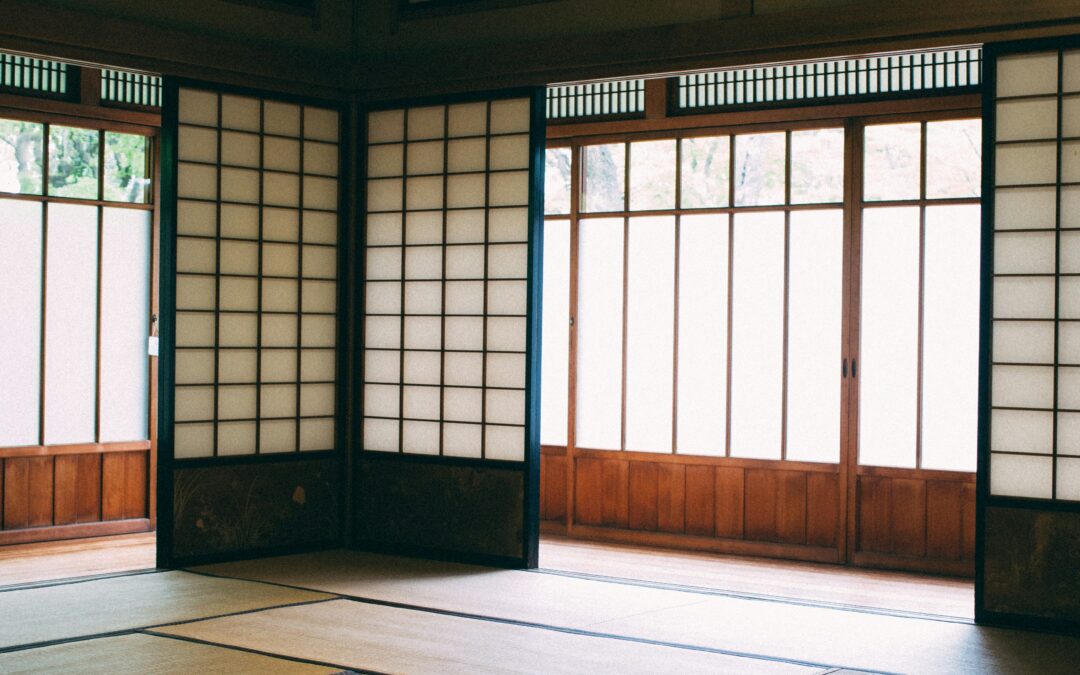
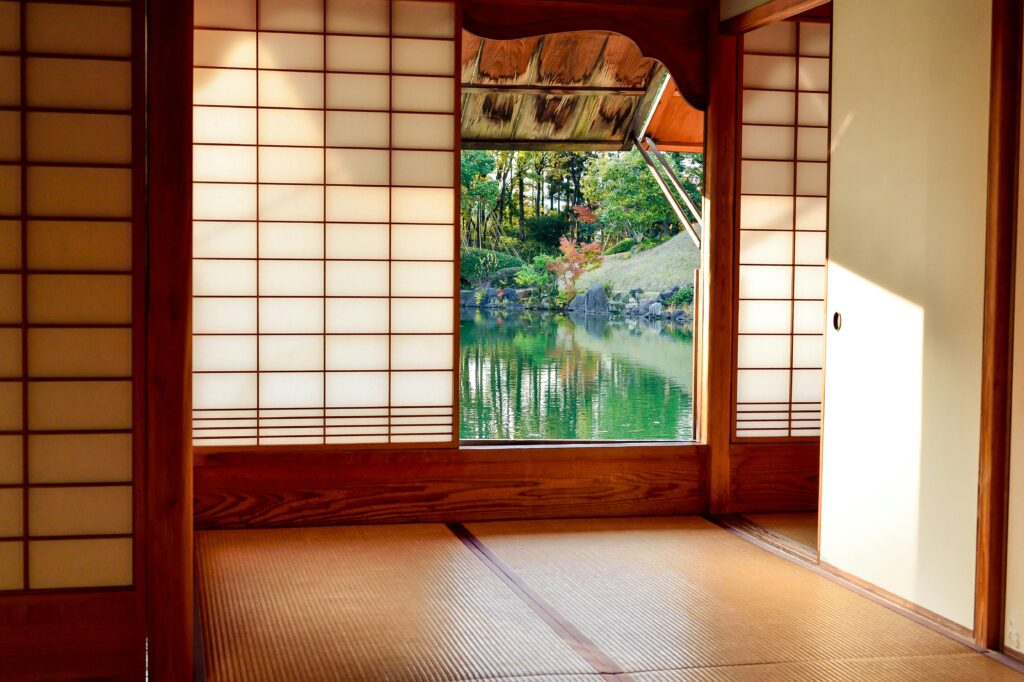
Living with Japanese minimalism, as practiced by many Japanese people, combines functional design, intentional living, and mindful habits to create calm, purposeful spaces that reflect aspects of Japanese art. This post walks through what it means to live simply, how to begin, and how to maintain the practice day to day.
What Is Japanese Minimalism?
Japanese minimalism is a design and lifestyle philosophy that values simplicity, utility, and beauty in everyday objects, promoting a way of living that embraces imperfection. Rooted in traditional aesthetics like wabi-sabi and influenced by modern design, it emphasizes quality over quantity, clear surfaces, and a slower pace of life, which are key aspects of minimalist living.
Core Principles
- Intentionality is crucial in creating a Japanese home that embodies simplicity and beauty, hallmarks of Japanese architecture. Keep only items that serve a purpose or bring genuine joy, in line with the Japanese concept of minimalism.
- Quality over quantity is a fundamental aspect of Japanese minimalism. Invest in well-made items that last, aligning with the minimalist philosophy of quality over quantity and the ideals of Japanese culture that emphasize the use of natural materials.
- Functionality: Favor multipurpose furniture and clutter-free layouts to align with the principles of Japanese minimalist design and enhance architecture and interior design.
- Aesthetic restraint is key in minimalism, encouraging a focus on essential beauty and the use of negative space, reflecting the values of Japanese architecture and interior design. Use neutral palettes, natural materials, and clean lines to design an interior that reflects minimalist aesthetics.
- Mindfulness is essential in maintaining a minimalist home that reflects the principles of Japanese interiors. Treat possessions and spaces with respect and awareness.
Benefits of Living with Japanese Minimalism
Adopting this approach reduces decision fatigue, lowers stress, frees up time and money, and creates living spaces that support clarity and focus. It also encourages sustainable consumption and deeper appreciation for everyday objects, reflecting the values of Japanese minimalist living and the essence of Japanese minimalism.
How to Start: A Step-by-Step Approach
- Set clear intentions for your space to align with the minimalist way of living and create a serene environment inspired by traditional Japanese aesthetics. Define why you want to adopt Japanese minimalism—calm, time, aesthetics, or the influence of zen principles found in traditional Japanese culture.
- Start small by decluttering one area at a time to gradually embrace minimalism. Tackle one drawer, shelf, or corner instead of an entire home to embrace a minimalist way of living and create more empty space.
- Sort by category: Use categories (clothes, books, kitchen) to declutter and avoid moving items room to room.
- Apply the keep test to determine what unnecessary things can be removed from your space. Keep items that are used regularly, meaningful, or high quality; let go of duplicates and rarely used items to achieve an uncluttered space.
- Replace, don’t accumulate: a core principle in the beauty of simplicity found in minimalist living philosophy. When acquiring something new, consider if it replaces multiple items or serves a clear need in your minimalist space.
Room-by-Room Tips
Living Room
Choose furniture with clean lines, limit surface decor, and create a focal point to enhance the interior aesthetic in a minimalist manner typical of Japanese design. Use hidden storage for electronics and keep textiles simple to enhance the beauty of simplicity in your home.
Bedroom
Prioritize a comfortable bed, reduce nightstand clutter, and maintain a small wardrobe with seasonally rotated items to create a harmonious minimalist space.
Kitchen
Keep countertops clear, retain only essential cookware, and opt for multifunctional tools to maximize empty space in your kitchen. Organize pantry items in uniform containers for a cohesive look that embodies minimalist principles.
Bathroom
Simplify toiletries to daily essentials, store extras out of sight, and choose neutral containers to reduce visual noise in your minimalist space.
Wardrobe and Personal Items
Adopt a capsule wardrobe: a limited selection of versatile, well-made pieces you wear often, inspired by the famous KonMari method. Repair or mend clothes to extend life, and donate items that no longer fit your style or needs, following the principles of Japanese minimalism and the practice of danshari.
Daily Habits to Sustain Minimalism
- One-in, one-out: a practice that embodies the principles of Japanese minimalism. For every new item, remove an existing one to live with less and maintain a minimalist lifestyle, embracing the concept of danshari.
- Five-minute tidy: a quick practice to maintain an uncluttered minimalist space that embraces simplicity. Spend five minutes each evening returning things to their homes.
- Mindful consumption is a key principle in Japanese minimalism, encouraging thoughtful choices that reflect the Japanese aesthetic. Delay nonessential purchases and reflect on need versus want, a practice emphasized by Fumio Sasaki in his approach to minimalism in Japan.
- Regular edits are essential in the essence of Japanese minimalism. Schedule seasonal reviews to reassess belongings and ensure you are living a minimalist life by keeping only what you need.
Mindset and Rituals
Cultivate gratitude for what you own, practice slow living rituals like tea or simple meals, and use decluttering as a way to clarify priorities in the spirit of zen buddhism. Embrace imperfect beauty and accept that minimalism can look different for everyone, reflecting diverse aspects of Japanese culture.
Common Mistakes and How to Avoid Them
- Equating minimalism with emptiness overlooks the beauty of simplicity inherent in aspects of Japanese culture. Focus on purposeful choices rather than removing items for the sake of it, as emphasized in the KonMari method.
- Being too strict can hinder the minimalist journey; embrace flexibility in your approach to decluttering, as advised by Marie Kondo, to fully enjoy a minimalist life. Allow flexibility so the lifestyle is sustainable, personal, and reflects the principles of zen living.
- Neglecting maintenance can disrupt the balance sought in a minimalist Japanese home. Minimalism requires ongoing habits; schedule small regular efforts to prevent clutter from returning, as suggested in the principles of Japanese minimalism and living simply.
Resources and Inspiration
Look for books and blogs on Japanese aesthetics to deepen your understanding of simplicity as both a cultural and philosophical practice. For books, classics like The Life-Changing Magic of Tidying Up by Marie Kondo (which was referenced earlier in this guide and has helped popularize minimalist living worldwide) offer practical decluttering methods, while Goodbye, Things: The New Japanese Minimalism by Fumio Sasaki provides a personal account of living with much less and illustrates minimalist principles in everyday life. Exploring essays such as In Praise of Shadows by Jun’ichirō Tanizaki can also illuminate traditional aesthetic values like subtlety and the beauty of shadows in Japanese design. As for blogs, resources like A Minimal Home explore Japanese minimalist interior and lifestyle approaches, and sites such as My Nihongo Sensei offer insights into how minimalism shapes design and daily habits in Japan. Following designers and creators who emphasize restraint and mindful living—through capsule wardrobes, calm interiors, and KonMari-influenced methods can truly inspire your own practice.
Recent Comments